Charting the Influence of Team Form on Hybrid Bet Structures Involving Equestrian and Racket Disciplines
Written by Clara Otto · Nov 7, 2026
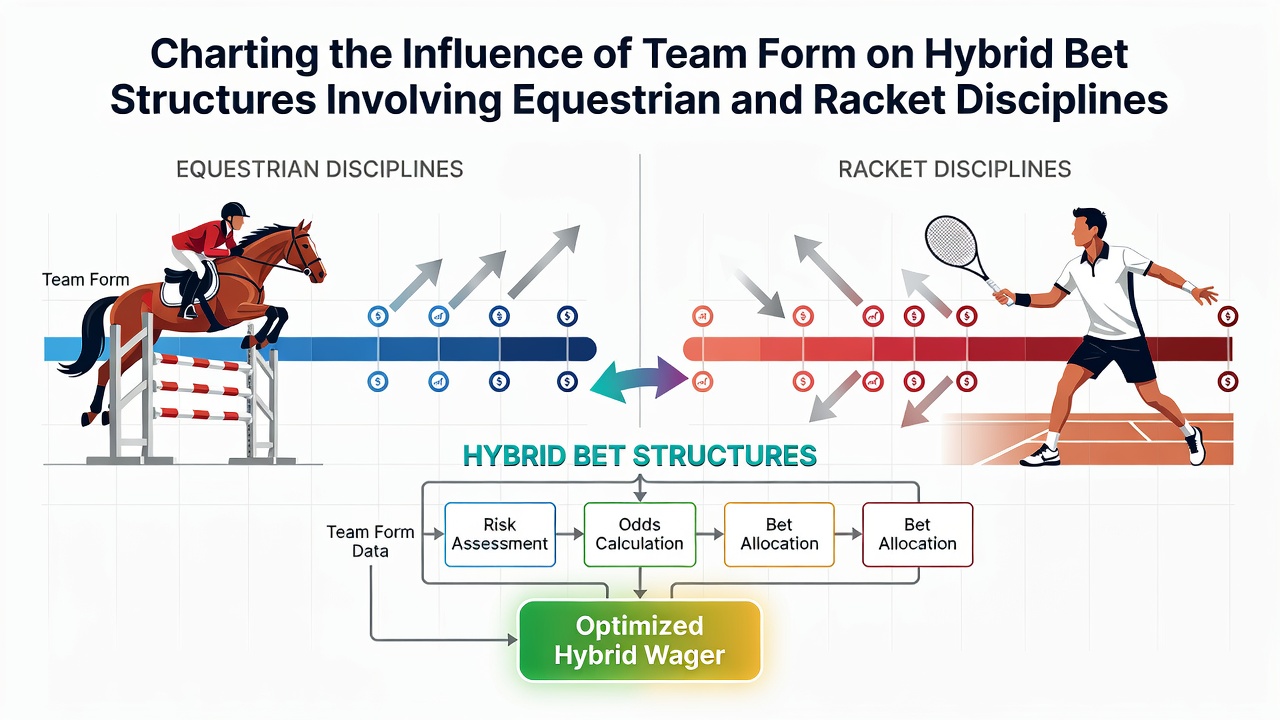
Charting the Influence of Team Form on Hybrid Bet Structures Involving Equestrian and Racket Disciplines
Analysts track how consistent results from stables in equestrian competitions and from squads in racket sports shape the construction of combined wagers that link outcomes across both categories, and industry reports show that these hybrid structures have grown in volume during recent seasons. Observers note that form indicators, such as win rates over the previous six outings or points differentials in team matches, feed directly into the odds compilers use when pricing accumulators that require selections from horse racing and tennis or squash events.
Defining Hybrid Bet Structures Across Disciplines
Hybrid bets combine selections from equestrian racing, including flat and jumps meetings, with racket sport fixtures such as ATP or WTA matches and team competitions like the Davis Cup, and operators present these as multi-leg products where a single stake covers both domains. Data compiled by the American Gaming Association indicates that such cross-category accumulators accounted for measurable portions of handle in markets where operators offer simultaneous coverage of racing and racket events, particularly during overlapping calendars that feature major tournaments alongside major race meetings. Those who monitor betting patterns report that form streaks in one discipline often correlate with adjusted pricing in the other when the accumulator payout hinges on both legs succeeding.
Measuring Form in Equestrian and Racket Contexts
Form assessment for equestrian participants relies on metrics like recent finishing positions, jockey-trainer combinations, and track conditions, while racket sport team form incorporates head-to-head records, set win percentages, and surface-specific results. Researchers from academic institutions have documented that horses coming off three or more victories within a month tend to see their associated accumulator legs priced at shorter odds, and similar compression occurs for tennis teams posting high win rates in recent tie encounters. Figures released in 2025 by regulatory bodies in Australia demonstrate that these adjustments appear consistently across multiple operators when data feeds incorporate both racing results and racket league standings.
November 2026 approaches with several high-profile events scheduled, including year-end racket championships that coincide with late-season jumps racing fixtures, and analysts expect form trajectories from the preceding months to influence the hybrid products offered during that period. Records from previous overlapping schedules show that stables maintaining upward trends through autumn meetings produced stronger correlations with successful accumulator outcomes when paired with in-form racket squads.
Impact of Recent Performance Trends on Accumulator Pricing
Bookmakers adjust lines for hybrid structures by weighting recent results more heavily than historical averages, and evidence from multiple seasons reveals that a stable's three-race winning sequence can reduce the combined odds by noticeable margins when the racket leg involves a team on a comparable streak. Studies conducted by research centers in Canada highlight that bettors who follow these dual-form indicators encounter fewer instances of inflated pricing on the combined product compared with selections drawn from unrelated disciplines. What's interesting is how momentum shifts in one area propagate through the pricing model, creating ripple effects that affect the entire accumulator structure even before the events begin.

Longer sentences help capture the interconnected nature of these adjustments, because form data from equestrian events rarely operates in isolation when compilers build products that also require positive outcomes from racket matches, and the resulting odds reflect the combined probability rather than independent assessments. Observers have recorded cases where a sudden dip in racket team performance prompted wider odds on the full accumulator even when the equestrian leg remained strong, illustrating the directional sensitivity built into the structures.
Regional Variations in Hybrid Product Availability
Operators in different jurisdictions present hybrid bets with varying degrees of complexity, and data from European regulatory sources outside the United Kingdom show higher volumes of equestrian-racket accumulators in markets where both sports receive consistent television coverage. Reports compiled by the Canadian Centre for Gaming Research indicate that participants in those regions often reference form tables covering both disciplines when constructing selections, and the same patterns appear in Australian records where seasonal overlaps create regular opportunities for cross-category wagers. Those patterns persist because the underlying performance metrics remain comparable regardless of location.
Additional case examples from 2025 seasons demonstrate that stables with strong records on specific ground conditions paired with racket teams holding home-surface advantages produced accumulator returns that aligned closely with pre-event projections derived from form alone. Analysts continue to compile these instances to refine models used for future pricing cycles.
Conclusion
Form indicators drawn from equestrian and racket disciplines continue to shape the construction and pricing of hybrid bet structures, and available data sets confirm measurable links between recent performance sequences and the odds attached to combined selections. As calendars move toward November 2026, those same indicators are expected to guide the products offered during overlapping major events. Regulatory and industry sources across multiple regions document these relationships through ongoing collection of handle and outcome statistics, providing a factual basis for understanding how performance trends translate into accumulator structures.